Sound Decisions: What to Consider When Investing in Business Audio Equipment
Investing in audio equipment is more than buying a pair of headphones or a speaker — for small businesses it’s a strategic choice that affects customer experience, team productivity, and brand perception. This guide walks you through practical evaluation criteria, procurement checklists, deployment plans, and ROI tactics so you make sound decisions that pay off.
Introduction: Why audio equipment is a business investment, not an expense
Audio impacts experience, conversion, and retention
Customers judge your business on the whole sensory experience. Crisp announcements in a retail environment, clear audio in a hybrid sales demo, or noise-free customer service calls all affect conversion and repeat visits. For actionable budgeting guidance, see our framework on Maximizing Your Marketing Budget with Resume Services for Small Teams which explains how to allocate limited budgets across experiential investments.
Audio equipment affects employee productivity
Teams that can focus (with good noise-cancelling headphones) or collaborate without audio frustration save time. If your staff spends hours on calls or in open-plan offices, better tools reduce mistakes and rework. Lessons from collaboration tool rollouts — like the implementation learnings described in Implementing Zen in Collaboration Tools — show the importance of piloting changes and measuring impact.
Strategic criteria up-front prevent costly mis-purchases
Buying the wrong tech — powerful home-focused speakers for a noisy retail floor, for example — leads to returns and downtime. This guide is structured so you can assess needs, compare products, run quick pilots, and measure ROI before you commit. Along the way we reference frameworks for design thinking and procurement decisions found in Design Thinking in Automotive: Lessons for Small Businesses.
Section 1 — How audio influences customer experience
Sound as a brand signature
Sound cues — hold music, announcements, background music — become part of your brand. The right audio conveys professionalism; the wrong audio signals neglect. Think of audio as packaging: it should match your customer promise and be consistently implemented across stores, calls, and events.
Reducing friction at points of sale
Poor audio during checkout, demos, or phone support increases abandonment and returns. Invest in equipment that helps staff communicate clearly with customers — a headset with a noise-cancelling mic for noisy environments, or a directional microphone for kiosk demos. Benchmarks for reducing friction are often similar to the marketing performance improvements discussed in Overcoming Google Ads Limitations: small system fixes often yield outsized returns.
Examples and measurable KPIs
Set measurable goals: decrease customer hang-ups by X%, increase add-on sales in-store, or shorten demo time. Track KPIs and compare pre-/post-deployment results. Tie results into local engagement programs referenced in Engaging Local Communities to show revenue impact from improved sensory experiences.
Section 2 — Defining requirements: Ask these questions before you shop
Who will use it and where?
Map personas to spaces: frontline staff, contact center agents, cafe baristas, or hybrid meeting rooms. A headset ideal for a call center is not the same as the PA system you need for weekend events. Capture daily use hours, ambient noise levels, and mobility needs before you select models.
What are the primary use cases?
Classify use cases (listening, talking, broadcasting, recording) and prioritize features: Bluetooth for mobility, low-latency wired connections for live demos, or multi-mic arrays for conference rooms. For hybrid events and phone-tech requirements see our deep-dive on Phone Technologies for the Age of Hybrid Events.
Which integrations matter?
Will the equipment integrate with existing UCaaS platforms, POS terminals, or streaming setups? Planning integration early avoids incompatibility and hidden costs. Integration expectations are discussed in the context of digital workflows in Preparing for the Home Automation Boom, which highlights the importance of API readiness and industry standards.
Section 3 — Types of equipment and when to choose them
Headphones and headsets
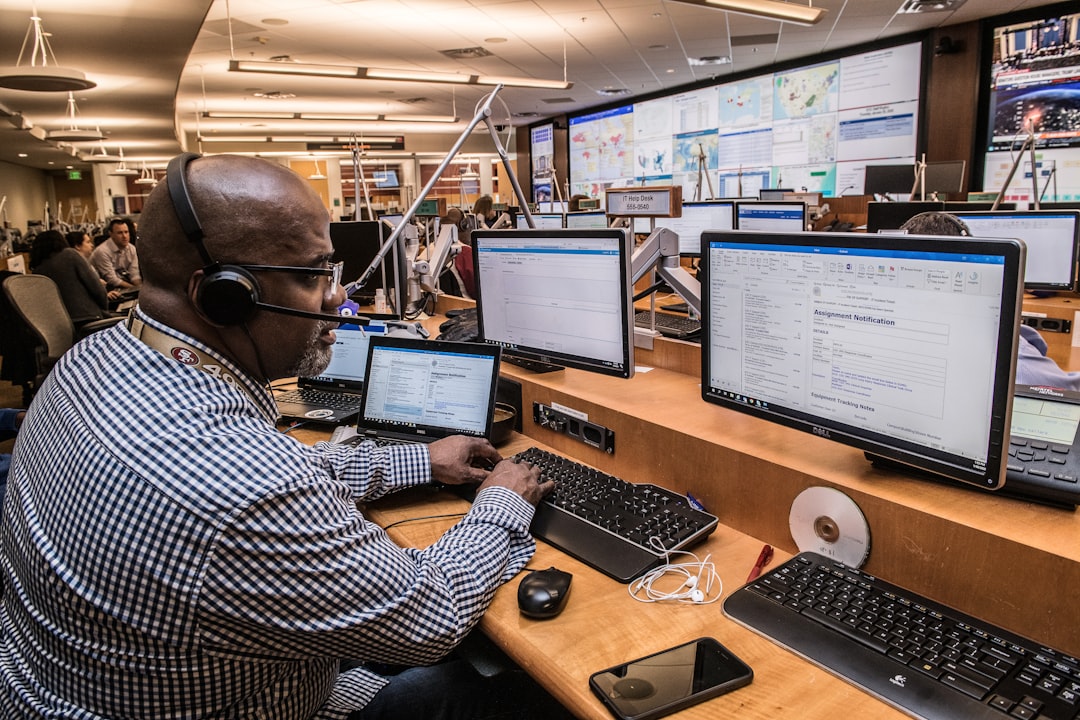
Choose noise-cancelling headsets for focus and call clarity. Look for boom mics with noise reduction, comfortable ear cushions for long shifts, and long battery life. If mobility is necessary, prioritize Bluetooth codecs and multi-device pairing. For accessory choices that complement primary devices, see Best Accessories to Enhance Your Audio Experience: 2026 Edition.
Speakers, PA, and background music systems
Retail and hospitality need balanced background music systems and clear PA announcements. Select speakers rated for the square footage, vibration tolerance for noisy environments, and DSP features like EQ presets and limiter functions. If you expect to tie audio into building controls or energy plans, reference Smart Home Strategies for budgeting and energy tradeoffs.
Conference room and hybrid event kits
For meetings, invest in multi-mic speakerphones, beamforming arrays, or camera/audio bars that reduce echo and improve remote participant experience. Low-latency and plug-and-play reliability are critical — check phone and event technology compatibility in Phone Technologies for the Age of Hybrid Events and internet performance expectations in Internet Service for Gamers: Mint's Performance Put to the Test as analogies for latency sensitivities.
Section 4 — Evaluating sound quality: metrics that matter
Frequency response and tonal balance
Frequency response charts show what a device reproduces between 20Hz and 20kHz. For retail background music, prioritize warm and balanced midrange; for voice intelligibility (calls or announcements) emphasize clarity in the 1–4kHz range. Request manufacturer graphs and perform store-level listening tests to verify claims.
Signal-to-noise ratio (SNR), distortion, and latency
SNR affects how present audio sounds above background hiss; THD (total harmonic distortion) shows how clean the signal is at higher volumes. For interactive demos, latency matters — wired solutions often outperform Bluetooth here. Compare vendor specs side-by-side and insist on real-world tests because lab numbers don’t always translate.
Real-world acceptance testing
Run A/B tests in your space. Simulate peak store noise and test intelligibility. Record before/after samples to measure improvement. Use structured feedback from staff and a small sample of customers. For guidance on piloting product rollouts and interpreting results, borrow the experimentation framework in Performance vs. Price: Evaluating Feature Flag Solutions.
Section 5 — ROI modeling: how to quantify value
Map cost drivers and revenue levers
List all costs (cap-ex, mounts, cabling, labor, training) and match them to revenue or savings (fewer returns, faster checkout, higher conversion, reduced rework). A headset that reduces call time by 2 minutes per call can be modeled into headcount savings or improved CSAT scores.
Use proxy metrics when direct ROI is hard to measure
If you can’t immediately measure revenue lift, track proxies like average handle time, demo completion rate, or repeat visits. Combine quantitative measures with qualitative voice-of-customer feedback to build a complete business case. For examples of integrating measurable wins into PR and social proof, see Integrating Digital PR with AI to Leverage Social Proof.
Build a 12-month measurement plan
Define baseline metrics, set target improvements, and schedule checkpoints (30/90/180/360 days). Use dashboards to track changes and tie audio-related improvements to marketing or operations reports — similar to budget prioritization methods outlined in Maximizing Your Marketing Budget.
Section 6 — Integration and compatibility checklist
Software and firmware compatibility
Confirm that devices receive firmware updates and that vendor software supports your OS and UCaaS stack. Poorly maintained devices become security liabilities. Learn more about digital identity and lifecycle risk in Understanding the Impact of Cybersecurity on Digital Identity Practices.
Network and infrastructure considerations
For IP speakers or cloud-managed devices, ensure your Wi-Fi and VLANs are set up to prioritize audio traffic. Use QoS, separate SSIDs for guest traffic, and test throughput under peak load. Analogies to network performance testing can be found in Internet Service for Gamers: Mint's Performance Put to the Test.
Vendor ecosystems and lifecycle support
Prefer vendors that document APIs and have a track record integrating with partner stacks. If you plan to add devices over time, the vendor’s roadmap and update cadence matter. Design thinking and vendor selection practices draw parallels with strategic product decisions in Design Thinking in Automotive.
Section 7 — Procurement: buying, leasing, or subscribing
When to purchase vs. lease
Purchase when you expect long-term, predictable use and can support maintenance. Lease when needs are temporary (seasonal events) or when you want predictable monthly costs. For examples of subscription models in adjacent categories, consider lessons in consumer purchasing behavior from the rise of subscriptions discussed in industry reviews.
Vendor selection and RFP checklist
Include scope of work, integration expectations, warranty terms, pilot timeline, SLA for firmware updates, and training support in your RFP. Use a scoring rubric and weigh reliability and support higher than minor feature differences.
Negotiation levers and total cost of ownership
Negotiate extended warranties, bulk discounts, refurbishment options, and trial periods. Account for installation labor, recurring cloud subscriptions, and replacement consumables. For help navigating accessory and peripheral markets during procurement, consult How to Navigate the Mobile Accessory Market.
Section 8 — Deployment and change management
Small pilots before wide rollout
Run a 2–4 week pilot that covers peak hours and diverse user groups. Document issues, train champions, and collect structured feedback before scaling. Lessons from collaboration tool rollouts in the field are instructive — see Implementing Zen in Collaboration Tools.
Training and documentation for staff
Create short onboarding videos, quick-reference cards, and troubleshooting guides. Make sure every frontline employee knows how to reset devices and escalate issues. Use AI-enabled search and documentation techniques to make knowledge accessible, inspired by practices in AI Search and Content Creation: Building Trust and Visibility.
Monitor, iterate, and optimize
After rollout, track the KPIs from your 12-month plan, adjust EQ and placement, and update SOPs. Tie audio performance into broader customer metrics and marketing campaigns; investing in audio is complementary to building customer trust and consistent messaging, which is supported by guidance in The Role of Trust in Digital Communication.
Section 9 — Comparison: common audio choices and business fit
Use this table to compare typical options. Each row represents a solution profile with recommended use cases and quick ROI notes.
| Device | Price Range (USD) | Best for | Pros | Estimated 12‑mo ROI |
|---|---|---|---|---|
| Noise‑Cancelling Headset (wired) | $80–$250 | Call centers, front desk | Low latency, superior mic, durable | Reduced handle time → 5–15% cost savings |
| Wireless Headphones (ANC) | $100–$400 | Back‑office, hybrid staff | Comfort, mobility, multi‑device | Higher productivity → 3–8% gain |
| Tabletop Conference Phone | $200–$1,000 | Small meeting rooms | Plug‑and‑play, full‑room pickup | Improved meeting time efficiency → 4–10% |
| Beamforming Audio Bar | $500–$2,500 | Huddle rooms, hybrid presentations | High-quality remote experience | Improved demo conversion → 6–12% |
| Retail PA / Background System | $800–$5,000+ | Stores, restaurants | Scalable, tuned for space | Better experience & dwell time → 5–20% sales lift |
Pricing ranges reflect entry to premium tiers. Use the table to prioritize pilot targets. When in doubt, start with headsets or tabletop conferencing equipment because they deliver quick, measurable wins.
Section 10 — Security, maintenance, and lifecycle
Firmware updates and vulnerability management
Devices connected to networks must be patched. Create a firmware update schedule and require vendors to disclose end-of-life timelines. Learn how cybersecurity impacts device practices in Understanding the Impact of Cybersecurity on Digital Identity Practices.
Cleaning, wear-and-tear, and consumables
Set cleaning standards for shared headsets and public microphones. Budget for ear pad replacements, cables, and batteries. A strict maintenance plan avoids hygiene complaints and reduces early replacements.
End-of-life and refresh cycles
Plan refresh cycles (typically 3–5 years for headsets, 5–7 for installed speakers). Consider buy-back or refurbishment programs to reduce TCO and environmental impact. Leasing options can smooth refresh transitions if capex is constrained.
Section 11 — Marketing and PR: amplifying the audio upgrade
Announce improvements to customers
Turn an audio upgrade into a customer-facing improvement: promote clearer service calls, improved in-store experiences, or better event sound. Use digital PR tactics to share measurable improvements with your audience; for advanced approaches to social proof integration see Integrating Digital PR with AI.
Use audio upgrades to differentiate
Document before/after metrics and use them in marketing campaigns to differentiate from competitors. Audio quality can be a tangible differentiator, similar to product experience claims discussed in strategy pieces like The Apple Effect: Lessons for Chat Platforms.
Cross-team collaboration amplifies value
Operations, marketing, and customer service should collaborate on KPIs and messaging. Share pilot results and customer testimonials internally and externally to build momentum and secure future budgets. For a practical approach to allocating limited marketing resources, review Maximizing Your Marketing Budget.
Section 12 — Quick procurement checklist & final decision framework
Top-line checklist
Document requirements, run a two-week pilot, verify integrations, confirm SLAs, negotiate terms, and schedule training. Avoid last-minute purchases; use the checklist as a gating mechanism before purchase orders are issued.
Decision framework (3-step)
1) Assess criticality: Will the audio device solve a measurable business pain? 2) Pilot: Test in real conditions with users and customers. 3) Scale: Roll out with training, monitoring, and a budget for maintenance. If the pilot meets KPI thresholds, move to procurement.
Where to start today
Start with a 1–2 week pilot of headsets for the team that spends most time on calls or with a single huddle room upgrade. These interventions are low-cost and high-impact. For accessory selection and procurement nuances, consult Best Accessories to Enhance Your Audio Experience and How to Navigate the Mobile Accessory Market.
Pro Tip: Pilot with real customers and record objective audio samples before and after. A 20–30 second A/B clip is the simplest evidence to convince stakeholders and justify expenditure.
FAQ
1. How much should a small business budget for audio upgrades?
Budget depends on scale. For a single huddle room or a 5‑seat call team, expect $1,000–$5,000 including devices, cabling, and installation. For multi‑site rollouts, budget 10–20% of projected savings for pilots and onboarding. Use cost-benefit estimates outlined in the ROI section above.
2. Should I prefer wired or wireless devices?
Wired devices give consistent low latency and are ideal for demos and mission-critical calls. Wireless devices offer mobility and comfort for hybrid staff. Combine both: wired for fixed stations and Bluetooth for mobile workers.
3. How do I ensure audio equipment remains secure on my network?
Isolate devices on separate VLANs, maintain firmware updates, and enforce vendor SLAs. See cybersecurity considerations in Understanding the Impact of Cybersecurity on Digital Identity Practices.
4. What KPIs should I track after deployment?
Track handle time, CSAT/NPS, conversion/dwell time for retail, demo completion rates, and incident tickets related to audio. Create a 12‑month measurement plan and iterate on device placement and settings.
5. How do I choose a vendor for long-term support?
Prioritize vendors with a clear product roadmap, robust firmware update cadence, documented APIs, and references from similar deployments. Vendor stability and customer support often outweigh small differences in specs.
Related Reading
- Harnessing Consumer Confidence - How confidence shapes experience-driven purchases.
- Kitchen Essentials - Selecting tools with durable ROI and consistent maintenance tips.
- Optimizing Last‑Mile Security - Operational lessons that apply to logistics of equipment rollouts.
- Sleep and Health - The role of wearables and comfort in employee wellbeing and productivity.
- Transforming 401(k) Contributions - Practical financial strategies useful when planning capex budgets.