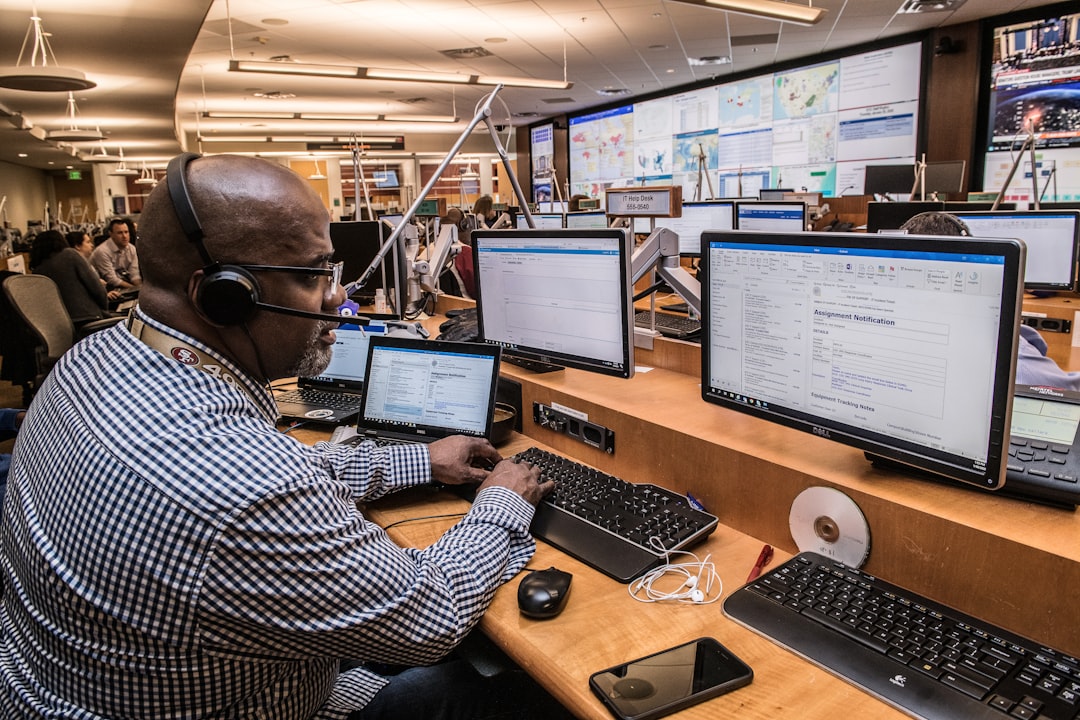
A meeting cost calculator turns an apparently simple calendar event into a clearer operating decision. By combining attendee time, compensation, preparation, and follow-up work, you can estimate what a meeting consumes, compare that cost with its expected value, and decide whether the next session should be shorter, smaller, asynchronous, or held as planned.
Overview
Meeting costs are easy to underestimate because calendars usually show duration, not the total work connected to the meeting. A 45-minute discussion may also require preparation, travel or transition time, note-taking, decisions entered into a task system, and follow-up conversations. The cost of meetings is therefore better understood as a block of paid team capacity rather than the length of the calendar invitation.
A useful estimate does not need to be perfect. Its purpose is to make assumptions visible and support repeatable comparisons. You can use it to evaluate a recurring meeting, compare two meeting formats, assess the cost of inviting an additional participant, or test whether a decision could be handled in writing.
The result should be treated as an operating estimate, not a precise accounting figure. Use the same method over time so that changes in meeting frequency, team composition, and hourly compensation remain comparable.
How to estimate meeting cost
The core formula is:
Meeting cost = meeting time cost + preparation cost + follow-up cost
For each activity, calculate the team time involved:
Activity cost = people involved × hours spent × hourly cost per person
If everyone has a similar hourly cost, one combined calculation is sufficient. If compensation varies significantly, calculate each group separately. For example, the time of two senior operators and the time of five coordinators can be entered as separate lines rather than blended into one average rate.
- Calculate meeting time. Multiply the number of attendees by the meeting duration in hours and by the chosen hourly cost.
- Add preparation. Include agenda creation, data gathering, reviewing documents, and any pre-meeting coordination. Count only the people who actually perform that work.
- Add follow-up. Include writing notes, assigning actions, updating systems, answering questions, and completing decisions that depend on the meeting.
- Multiply by frequency. For a recurring meeting, multiply the per-meeting estimate by the number of sessions in the period you want to review.
- Compare cost with purpose. A costly meeting may still be worthwhile if it prevents rework, resolves a time-sensitive issue, or creates an outcome that could not reasonably be achieved another way.
For a recurring event, the expanded formula is:
Recurring meeting cost = (meeting cost + preparation cost + follow-up cost) × number of meetings
This approach also works as a team productivity calculator. Run the estimate before changing a meeting, then run it again after changing duration, attendance, or frequency. The difference shows the capacity released by the change.
Inputs and assumptions
The quality of the estimate depends less on mathematical complexity than on consistent inputs. Record the assumptions beside the result so another person can understand how it was produced.
Attendee count
Count people who are expected to attend, not only those who speak. An attendee’s time has a cost even when the meeting is not directly related to their highest-priority work. If attendance varies, use a typical number or calculate a low and high scenario.
Meeting duration
Use the actual average duration if the meeting regularly starts late or runs over. If the invitation says 30 minutes but the event usually takes 45, the estimate should reflect the working reality. Include transition time when the meeting interrupts work that cannot be resumed immediately.
Hourly compensation
Choose a rate that fits the decision. A loaded employment cost may be appropriate for internal planning, while a simpler wage-based rate may be adequate for a rough comparison. Do not present a rough internal rate as a precise financial measure. When rates differ by role, preserve those differences instead of relying on an unexamined average.
Preparation and follow-up
Estimate these inputs separately because they often fall on different people. A manager may prepare the agenda, a specialist may compile information, and an administrator may record actions. Include only work caused by the meeting, rather than unrelated tasks completed during the same period.
Value and limitations
A cost estimate is not a verdict that every expensive meeting should be removed. Consider the meeting’s expected output: a decision, approval, risk review, shared plan, or resolved dependency. If the value cannot be described clearly, that is useful information in itself. The meeting may need a sharper purpose before its cost can be justified.
Worked examples
Assume a weekly planning meeting has six attendees, lasts one hour, and uses an internal planning rate of $60 per hour per person. The meeting time cost is:
6 × 1 × $60 = $360
Suppose one person spends 45 minutes preparing, and one person spends 30 minutes on notes and follow-up. The additional cost is:
0.75 × $60 = $45 preparation
0.5 × $60 = $30 follow-up
The estimated cost per session is therefore:
$360 + $45 + $30 = $435
At four sessions in a typical month, the planning meeting represents an estimated $1,740 in team time under these assumptions. That figure does not mean the meeting is wasteful. It gives the team a baseline for testing alternatives.
For example, reducing attendance from six people to four would reduce the live meeting component to 4 × 1 × $60 = $240, before preparation and follow-up. Shortening the meeting to 45 minutes with the original six attendees would produce 6 × 0.75 × $60 = $270 for live attendance. These options should be evaluated alongside decision quality and whether excluded participants still need a useful written update.
A second example shows why preparation matters. A 30-minute meeting with eight attendees at a $50 hourly planning rate costs 8 × 0.5 × $50 = $200 in live time. If four people each spend 30 minutes preparing, that adds 4 × 0.5 × $50 = $100. If one person spends 45 minutes on follow-up, the total becomes $200 + $100 + $37.50 = $337.50. The invitation alone would suggest a 30-minute cost, but the connected work changes the estimate substantially.
When to recalculate
Recalculate when any input changes materially: hourly compensation, attendee mix, meeting length, preparation effort, follow-up ownership, or meeting frequency. Review recurring meetings when a team grows, responsibilities change, a project enters a new phase, or a meeting begins producing fewer decisions.
It is also worth revisiting the estimate after a process change. If an agenda template, shared dashboard, or written status update reduces preparation time, record the new time rather than relying on the old assumption. A daily workflow planner or team organization tool can make those handoffs easier to track, while a workload capacity calculator can help show whether the released time is being used for higher-priority work.
Use this practical review cycle:
- List every recurring meeting and record its current frequency, duration, attendees, preparation, and follow-up.
- Calculate a per-session cost and a monthly or quarterly cost using clearly labeled assumptions.
- Mark meetings with no defined decision, owner, or expected output for redesign.
- Test one change: fewer attendees, a shorter agenda, lower frequency, or an asynchronous update.
- Recalculate after several sessions and compare the time saved with the quality of decisions and follow-through.
Meeting cost is only one part of workflow design. Pair it with capacity planning, response-time expectations, and clear priorities. For related planning, see Workload Capacity Calculator for Small Teams and Response Time Calculator. If the team needs a more reliable way to turn decisions into weekly work, the weekly planner templates for teams can provide a practical next step.